
In today's digital age, every mobile phone number has a story behind it. Whether it's for personal, professional, or business purposes, knowing the details of a SIM can be crucial.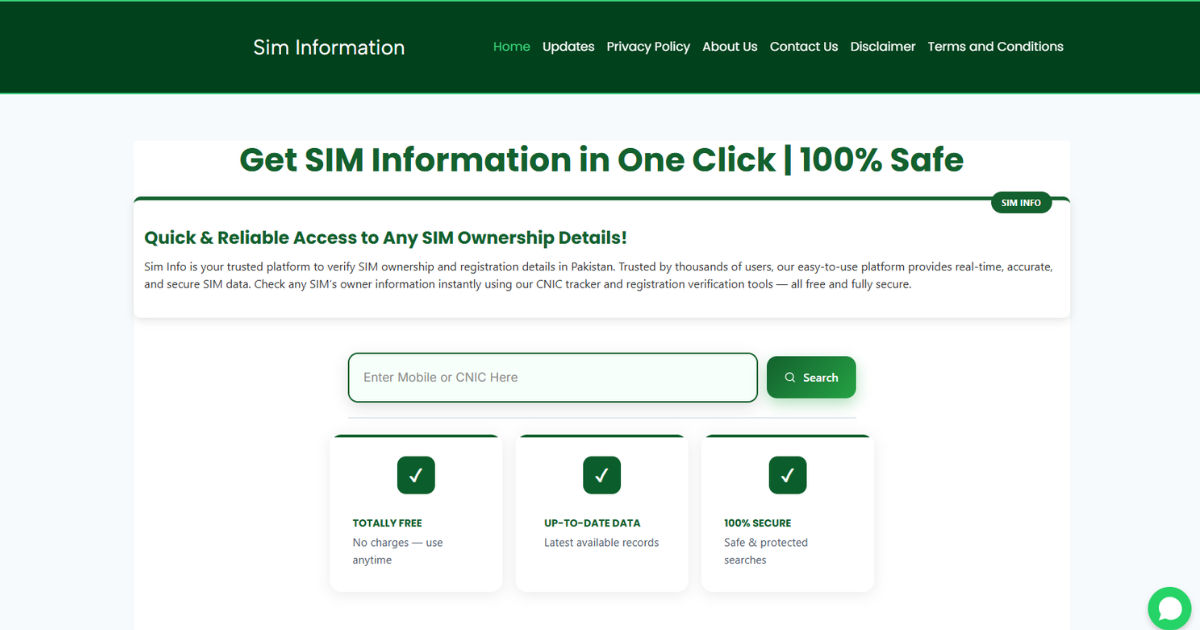
This is where Sim Owner Details come into play. Sim Owner Details provide a structured way to understand who owns a SIM, their registration information, and the essential data linked to the mobile number.
This guide will explore everything you need to know about Sim Owner Details, how they are recorded, why they are important, and how you can access them safely and legally.
What Are Sim Owner Details?
Sim Owner Details refer to the registered information associated with a mobile SIM card. When someone purchases a SIM, especially in countries like Pakistan, India, or other regulated markets, operators are required by law to collect specific data. This ensures that every mobile number can be traced back to a legitimate owner.
The details stored are not just for identification but also serve multiple purposes including:
-
Ensuring network security.
-
Preventing misuse of telecom services.
-
Assisting authorities in legal or criminal investigations if necessary.
-
Offering personalized services to the subscriber.
Key Components of Sim Owner Details
When you look into Sim Owner Details, you will generally find a range of information collected during SIM registration. These details are typically categorized into personal, contact, and SIM-specific data. Let’s break these down.
Personal Information
The personal information in Sim Owner Details is the core identification of the SIM holder. This usually includes:
-
Full Name: The official name of the person who registered the SIM. This is often verified against a national ID or other government-issued documents.
-
Date of Birth: Many operators require age verification, especially if the SIM is for adult-only services.
-
Father’s Name or Guardian Name: In some countries, like Pakistan, this is a mandatory field for registration purposes.
-
CNIC / National ID Number: This is a government-issued identification number. It ensures that the SIM is linked to a verified individual and reduces fraudulent registrations.
Contact Information
Contact information helps the telecom operator maintain communication with the SIM owner and also serves legal and emergency purposes. Typical fields include:
-
Residential Address: The full address of the SIM owner, often required for KYC (Know Your Customer) processes. This ensures that the SIM owner can be contacted if necessary.
-
Postal Code / Area Code: Helps in location verification.
-
Email Address (Optional): Some operators ask for an email for digital communication, bills, or notifications.
-
Alternate Phone Numbers: Occasionally collected for verification or emergency contact.
SIM-Specific Information
Apart from personal and contact details, Sim Owner Details also include data specific to the SIM card itself:
-
SIM Number / ICCID: Every SIM has a unique number called the Integrated Circuit Card Identifier (ICCID). This is important for identification in databases.
-
Mobile Number: The actual number assigned to the SIM.
-
Operator Name: The telecom company that issued the SIM (e.g., Jazz, Telenor, Zong, or Ufone in Pakistan).
-
SIM Activation Date: The date the SIM was activated and started operating.
-
SIM Status: Active, inactive, or suspended.
-
Plan Type: Prepaid, postpaid, or corporate plan.
How Sim Owner Details Are Collected
Understanding how Sim Owner Details are collected can help explain why this information is accurate and legally binding.
-
KYC (Know Your Customer) Process:
When purchasing a SIM, the operator performs a KYC check. This involves verifying personal documents such as CNIC, passport, or other government-issued IDs. -
Digital Registration:
Many operators now allow SIM registration online. Even in digital processes, the uploaded documents are verified to ensure authenticity. -
Biometric Verification:
Some countries require biometric verification (like fingerprints or facial scans) to prevent fraudulent SIM registration. -
Physical Store Registration:
Traditional SIM sales in stores require the buyer to submit identification in person. The operator records the Sim Owner Details in the official database.
Importance of Sim Owner Details
Knowing Sim Owner Details is not just about curiosity. It plays several critical roles:
-
Security:
If a SIM is misused for fraud, scams, or harassment, the Sim Owner Details help authorities trace the culprit. -
Legal Compliance:
Governments mandate accurate SIM registration to prevent anonymous misuse. -
Telecom Management:
Operators can offer better services by knowing their subscribers. For example, special promotions may be targeted based on the age or location of the SIM owner. -
Lost SIM Recovery:
If a SIM is lost or stolen, the Sim Owner Details are used to verify the rightful owner before issuing a replacement. -
Emergency Situations:
In emergencies, authorities may use registered details to contact the SIM holder or their family.
How to Access Sim Owner Details
Accessing Sim Owner Details depends on your role and legal permission:
For Individuals
If you want to check your own SIM details:
-
Via SMS Service: Many operators offer codes where you can send your number and receive basic information.
-
Through the Operator App: Most mobile apps allow users to see the SIM registration information.
-
Official Website: Operators often provide KYC and registration information online after identity verification.
For Law Enforcement
Authorities have direct access to telecom databases. They can retrieve Sim Owner Details for investigations related to crime, fraud, or national security.
For Third Parties
Third-party access is restricted. Some online services claim to provide SIM owner information, but users should be cautious. Unauthorized access to Sim Owner Details can be illegal and punishable.
Privacy and Legal Considerations
With great information comes great responsibility. Sim Owner Details are sensitive, and privacy is paramount. Telecom companies are required by law to protect this information from misuse. Unauthorized access, sharing, or selling of SIM owner data is considered illegal in most countries.
Subscribers should also:
-
Never share CNIC or SIM-related details on untrusted platforms.
-
Report any suspicious activity involving their SIM.
-
Ensure their mobile number is registered correctly to avoid disputes or misuse.
Common Misconceptions About Sim Owner Details
There are several myths surrounding Sim Owner Details:
-
"Anyone Can Check Any SIM's Owner Information":
This is false. Access is regulated by law, and random queries are illegal. -
"SIM Registration Is Optional":
In most countries, registration is mandatory. Unregistered SIMs are blocked. -
"SIM Owner Details Are Always Private":
While privacy is maintained, authorities and operators can access the data for legal reasons. -
"You Can Hide Your Real Identity":
Providing fake documents during SIM registration is illegal and can lead to penalties.
How Businesses Use Sim Owner Details
Businesses also rely on Sim Owner Details for legitimate purposes:
-
Marketing Campaigns: SMS campaigns require verified numbers to reach real customers.
-
Customer Support: Correct details help operators solve complaints efficiently.
-
Fraud Prevention: Businesses verify the SIM registration before offering services like banking or online verification.
Technology Behind Sim Owner Details
Modern databases and telecom infrastructure ensure that Sim Owner Details are safely stored and easily retrievable when needed. Some key technologies include:
-
Centralized Telecom Databases:
All registered SIMs are logged in a central database maintained by the telecom regulator. -
Encryption:
Sensitive details such as CNIC numbers and addresses are encrypted to prevent unauthorized access. -
Audit Trails:
Every access to SIM owner data is logged for accountability. -
API Access for Operators:
Telecom operators use secure APIs to update or retrieve SIM owner information.
Challenges and Issues
While Sim Owner Details offer numerous benefits, they also come with challenges:
-
Data Breaches: Hackers may attempt to steal SIM owner information.
-
Incorrect Registration: Mistakes during registration can cause disputes.
-
Outdated Information: If a user moves or changes address and doesn’t update the operator, it may lead to issues.
How to Keep Your Sim Owner Details Safe
To ensure the security of your SIM registration information:
-
Regularly update your contact information with the operator.
-
Avoid sharing SIM registration documents online.
-
Enable two-factor authentication on services linked to your mobile number.
-
Report lost or stolen SIMs immediately to prevent misuse.
Future of Sim Owner Details
With digital transformation and 5G networks, Sim Owner Details are becoming more integrated with national digital identities. This may include:
-
Linking mobile numbers with government ID databases for real-time verification.
-
Biometric authentication for SIM registration.
-
AI-driven monitoring to prevent SIM fraud and scams.
The future promises more security, but also more responsibility in managing personal information.
Conclusion
In conclusion, Sim Owner Details are more than just names and numbers—they are a crucial part of telecom security, regulatory compliance, and personal accountability. From personal identification to assisting law enforcement, these details ensure that mobile communication is safe, reliable, and traceable. As digital communication continues to grow, understanding and safeguarding your SIM owner information becomes even more important.
Being aware of what Sim Owner Details include, how they are collected, and their legal implications can help users make informed decisions and protect their personal information. Whether you are a mobile user, a business, or a security professional, these details play a vital role in the modern communication ecosystem.
By staying informed and cautious, you can enjoy the benefits of connectivity while keeping your data secure. Remember, your SIM is not just a number—it is linked to your identity, and knowing your Sim Owner Details empowers you to manage it responsibly.