
Fashion in Pakistan has always been a dynamic reflection of culture, heritage, and modern trends. Among the many elements that make Pakistani fashion so captivating, texture plays a crucial role.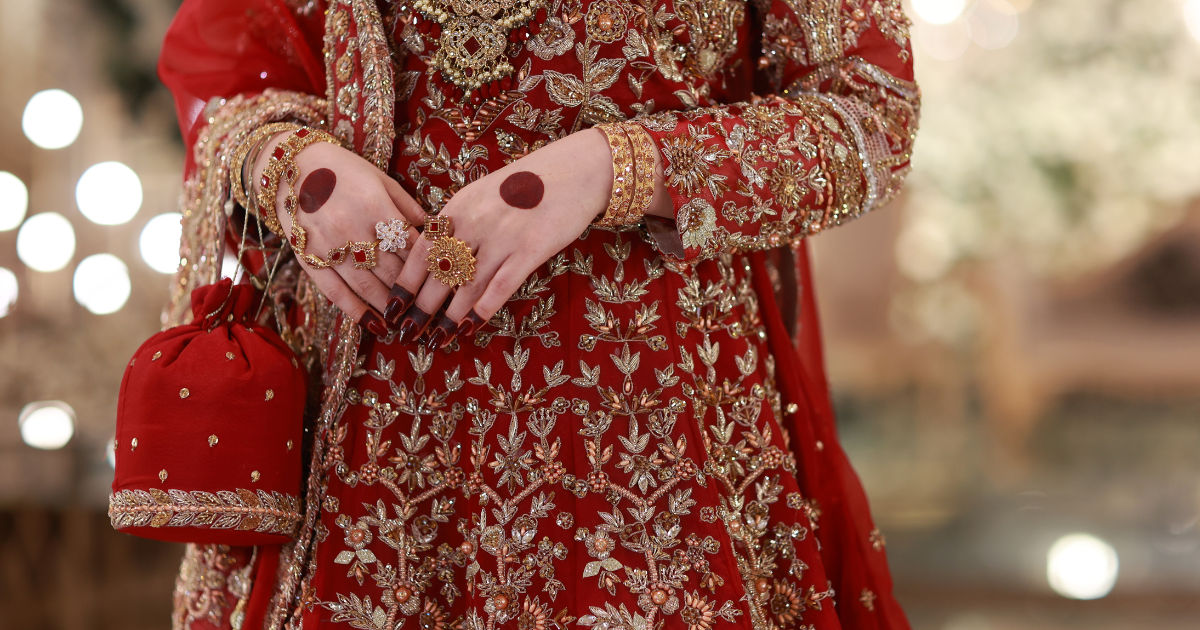
From luxurious silks to delicate chiffons and intricate embroideries, the use of different textures elevates clothing from mere attire to an art form. Modern designers are increasingly experimenting with texture to create visually stunning, tactilely rich outfits that speak both tradition and contemporary style.
One prominent name in this movement is Nani je, whose innovative designs have made texture a focal point in Pakistani fashion.
Understanding Texture in Fashion
Texture in fashion refers to the feel, appearance, and surface quality of a fabric. It can be soft, rough, shiny, matte, smooth, or layered. Designers use texture to convey mood, create depth, and add character to garments. For example, a velvet kurta can exude elegance, while a raw silk outfit might give off understated sophistication. Texture is not limited to the fabric alone; embellishments such as sequins, embroidery, and lace also contribute to the overall texture of a garment.
In Pakistani fashion, texture has traditionally been tied to cultural and regional aesthetics. The interplay of textures is particularly evident in bridal wear, formal outfits, and festive attire. Modern designers, including Nani je, are blending these traditional textures with contemporary silhouettes, making fashion both trendy and culturally grounded.
Key Textures in Modern Pakistani Fashion
1. Silk and Satin
Silk and satin are staples in modern Pakistani fashion. Their smooth, shiny surfaces make them perfect for both casual and formal outfits. Silk is favored for its luxurious feel, drape, and the way it reflects light. Satin, with its glossy finish, adds a glamorous touch to party wear and bridal collections. Designers like Nani je often pair silk or satin with matte fabrics to create contrast, highlighting the beauty of each texture.
2. Chiffon and Georgette
Chiffon and georgette are lightweight, flowy fabrics commonly used in modern Pakistani dresses, especially for formal and semi-formal occasions. Their soft drape allows for graceful movement and layering. Chiffon often features embroidery or sequins, adding texture without overwhelming the garment. Georgette, on the other hand, is slightly textured and adds a subtle visual depth, making it ideal for contemporary ensembles.
3. Cotton and Linen
Cotton and linen are essential for everyday Pakistani wear. Their natural textures provide comfort while offering versatility in design. Modern fashion designers are experimenting with cotton in textured weaves, pleats, and prints to elevate casual attire into stylish statements. Linen, known for its breathable texture, is increasingly used in summer collections to combine comfort with sophistication. Nani je frequently incorporates textured cotton and linen in his casual and semi-formal lines, ensuring style without compromising comfort.
4. Velvet and Brocade
Velvet and brocade are associated with opulence. Velvet, with its soft, rich pile, adds a sense of luxury, making it a popular choice for winter wear and evening ensembles. Brocade, a heavy, patterned fabric, is often embroidered or woven with metallic threads, giving garments a regal touch. In modern Pakistani fashion, mixing velvet or brocade with simpler fabrics creates striking contrasts. Designers like Nani je utilize these textures for festive wear and bridal outfits, ensuring a balance between traditional richness and contemporary elegance.
5. Organza and Net
Organza and net fabrics are sheer, delicate materials that create a light, ethereal effect. These fabrics are often layered over heavier materials or embroidered with intricate patterns to add dimension. Net dupattas, sleeves, and overlays are common in modern Pakistani fashion, providing a playful texture contrast. Organza, slightly stiffer than net, is ideal for structured silhouettes like peplum tops or layered skirts. Nani je creatively combines organza with traditional fabrics, adding modern drama to conventional designs.
Texture in Embellishments
1. Embroidery
Embroidery is one of the most versatile ways to introduce texture into Pakistani fashion. From delicate thread work to bold, raised motifs, embroidery transforms a flat surface into a tactile masterpiece. Techniques like zari, mirror work, and resham embroidery create depth and interest. Nani je often uses a mix of embroidery styles to give outfits a rich, multidimensional feel, appealing to both modern and traditional tastes.
2. Sequins and Beads
Sequins and beads add sparkle and dimension to fabrics. While traditionally used in party wear and bridal outfits, contemporary designers incorporate sequins subtly for casual and semi-formal looks. Layering sequins over sheer fabrics like chiffon or net creates a play of light and shadow, enhancing the texture. Nani je’s designs often feature carefully placed sequins and beads to highlight key areas, such as sleeves, necklines, or borders, without overwhelming the garment.
3. Lace and Cutwork
Lace and cutwork are delicate textures that provide elegance and refinement. Laser-cut patterns and hand-cut designs introduce visual and tactile variety. These textures are commonly used in modern Pakistani fashion for overlays, sleeves, and borders. By combining lace with solid fabrics, designers create balance, allowing the intricacy of texture to stand out. Nani je incorporates lace thoughtfully, using it to accentuate modern silhouettes while maintaining cultural authenticity.
Mixing and Layering Textures
One of the most exciting aspects of modern Pakistani fashion is the creative mixing and layering of textures. Pairing a heavy fabric like brocade with a soft chiffon overlay, or combining embroidered cotton with a velvet dupatta, adds depth and visual interest. Layering textures also allows designers to play with opacity, light reflection, and movement, creating garments that are dynamic and engaging.
Nani je has mastered the art of layering textures, seamlessly blending traditional fabrics with modern techniques. For example, a single outfit might feature silk, net, and velvet, each in different textures, creating a look that is rich, elegant, and contemporary. This approach appeals to a wide audience, from young fashion enthusiasts to those seeking refined, traditional pieces.
Seasonal Influence on Texture
Summer Collections
Summer fashion in Pakistan focuses on light, breathable textures. Fabrics like cotton, linen, chiffon, and georgette dominate, offering comfort while keeping style intact. Textures are subtle, with pleats, light embroidery, and printed patterns providing visual interest without weighing down the garment. Designers like Nani je excel in creating airy, texturally layered outfits perfect for warm weather.
Winter Collections
Winter collections embrace heavier textures such as velvet, brocade, and thick silk. Layering is essential, and designers experiment with textured outerwear, jackets, and shawls. The play of textures adds warmth, dimension, and luxury. Nani je’s winter collections often feature rich, tactile fabrics combined with elegant embellishments, making them both functional and stylish.
Texture in Casual Wear
Modern Pakistani casual wear has evolved significantly. While traditional kurtas and shalwar kameez remain popular, designers now emphasize unique textures to stand out. Smocked fabrics, pleated tops, textured cotton, and embroidered tunics are common in casual collections. Texture adds character and individuality, even to simple outfits. Nani je’s casual wear lines focus on wearable textures, balancing style with everyday comfort.
Texture in Bridal Fashion
Bridal fashion in Pakistan is synonymous with texture. Heavy embroidery, layered fabrics, sequins, beads, and intricate lace combine to create a luxurious, opulent aesthetic. Modern brides look for outfits that are visually stunning and comfortable to wear, making texture manipulation essential. Designers like Nani je innovate by blending traditional bridal textures with contemporary silhouettes, creating pieces that are both timeless and fashion-forward.
Importance of Color with Texture
Color and texture are inseparable in fashion design. Textured fabrics reflect and absorb light differently, influencing the perception of color. For instance, matte fabrics appear deeper in color, while shiny fabrics like satin or silk enhance brightness. Designers carefully pair textures with colors to evoke mood, highlight features, and create harmony in an outfit. Nani je pays meticulous attention to this interplay, ensuring that texture and color work together to enhance visual appeal.
Global Influence on Pakistani Textures
Modern Pakistani fashion is increasingly influenced by global trends. International fashion weeks, street style, and digital platforms inspire designers to experiment with textures in innovative ways. Combining Pakistani fabrics with Western silhouettes, using unconventional layering techniques, or incorporating abstract textures has become a hallmark of contemporary fashion. Nani je exemplifies this trend, merging global inspiration with local craftsmanship to create unique, texturally rich ensembles.
Tips for Wearing Textured Outfits
-
Balance is Key – When mixing textures, balance heavy fabrics with lighter ones to avoid overwhelming the outfit.
-
Focus on One Statement Piece – Let a textured jacket, dupatta, or kurta be the centerpiece, keeping the rest of the outfit simple.
-
Mind the Occasion – Choose textures appropriate for the setting; lightweight fabrics for casual wear, heavier, embellished textures for formal events.
-
Pair with Simple Accessories – Intricate textures shine on their own, so minimal accessories often work best.
-
Play with Layers – Layering different textures adds dimension and sophistication without making the outfit too busy.
Conclusion
Texture is an essential element in modern Pakistani fashion, bridging the gap between tradition and contemporary style. It adds depth, visual interest, and a tactile quality that elevates garments from simple clothing to works of art. Designers like Nani je are at the forefront of this movement, skillfully blending fabrics, embellishments, and layers to create fashion that is both modern and culturally rooted.
From everyday casual wear to elaborate bridal collections, texture influences how an outfit looks, feels, and moves. Understanding and experimenting with texture allows individuals to express personality, mood, and style in ways that color and silhouette alone cannot achieve. Whether it’s the silky sheen of satin, the delicate transparency of chiffon, or the rich pile of velvet, texture is the secret ingredient that transforms Pakistani fashion into a multisensory experience.
By embracing texture, modern Pakistani fashion continues to evolve, celebrating creativity, craftsmanship, and cultural heritage. For anyone exploring style, incorporating texture thoughtfully offers endless possibilities for unique and memorable fashion statements.