
Choosing the right thermal printer roll is one of the most important decisions for anyone using a thermal printer.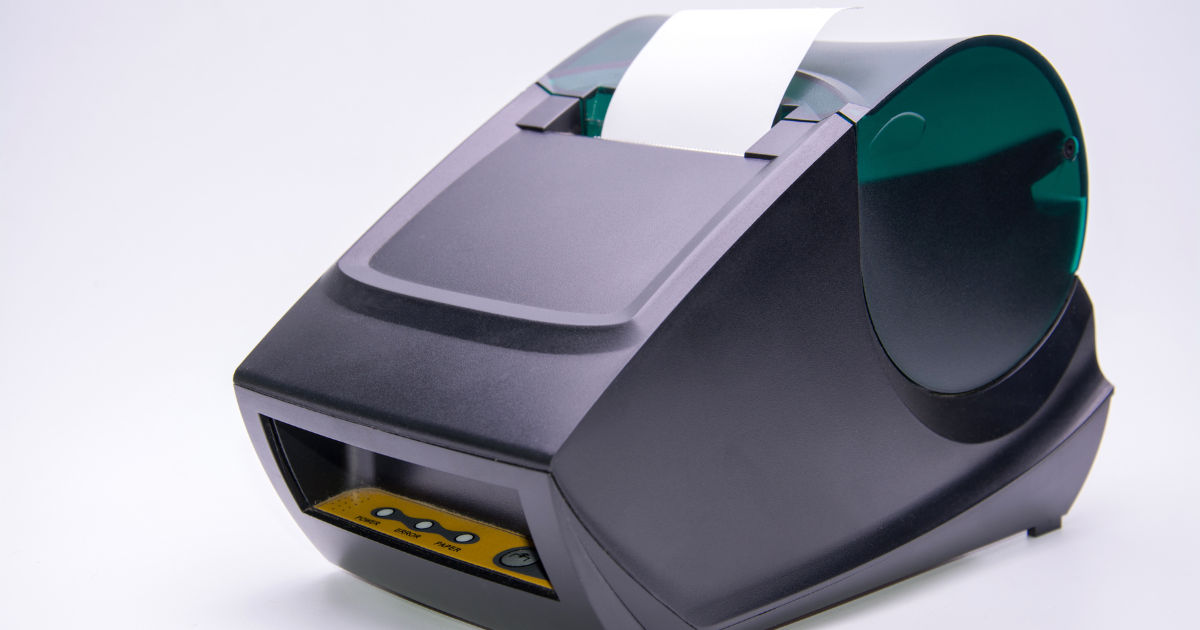
Whether you are running a retail business, printing receipts, or using a POS system, having the correct thermal printer roll ensures efficiency, reduces waste, and saves money.
In this guide, we will discuss everything you need to know about selecting the right size thermal printer roll, from understanding printer specifications to practical tips for long-term use.
Thermal Printer Rolls
A thermal printer roll is a type of paper specifically designed for thermal printers. Unlike regular paper, thermal paper is coated with a special chemical that changes color when exposed to heat. This allows the printer to produce clear and readable text without using ink. Thermal printer rolls come in various widths, diameters, and lengths, which can make choosing the right one confusing.
Using the wrong size thermal printer roll can lead to paper jams, misaligned printing, and wasted paper. Therefore, understanding the specific needs of your printer and your business is essential.
Common Thermal Printer Roll Sizes
Thermal printer rolls are measured in three key dimensions: width, diameter, and core size. Each of these factors affects printer performance and the number of receipts or prints you can produce from one roll.
Width
The width of a thermal printer roll is usually measured in millimeters. Common widths include 57mm, 58mm, and 80mm. The width of the roll must match the width of the printer’s paper path to avoid printing errors or paper jams.
-
57mm or 58mm rolls: Typically used in smaller receipt printers, mobile printers, and compact POS systems. These are ideal for small shops or businesses that print shorter receipts.
-
80mm rolls: Standard in larger POS systems, supermarkets, and restaurants. Wider rolls are suitable for detailed receipts or invoices that require more text and graphics.
Diameter
The diameter of the roll determines how much paper is on each roll. Larger diameters mean longer-lasting rolls, which reduces the frequency of roll replacements. Thermal printer rolls typically come in diameters ranging from 40mm to 100mm.
-
40mm – 50mm: Suitable for small-scale businesses with low printing volumes.
-
70mm – 100mm: Ideal for high-volume printing, such as busy retail stores, restaurants, and ticketing counters.
Core Size
The core size refers to the diameter of the cardboard tube inside the roll. Standard core sizes include 12mm, 17mm, and 25mm. The core size must match the spindle of your thermal printer for smooth paper feeding. Using a roll with an incompatible core can cause the roll to spin improperly, leading to paper jams and uneven printing.
Factors to Consider When Choosing a Thermal Printer Roll
Selecting the right thermal printer roll is not just about matching the size. Several other factors can affect performance and cost-efficiency.
Printer Compatibility
The first step in choosing a thermal printer roll is checking your printer specifications. Most printer manufacturers provide a list of compatible roll sizes. Using a roll that does not match the printer’s design can damage the printer head and affect print quality.
Printing Volume
If your business prints receipts frequently, choosing a larger roll with a bigger diameter can save time and reduce the hassle of frequent roll changes. For low-volume printing, smaller rolls are sufficient and more cost-effective.
Print Quality
Thermal printer rolls come in different grades and coatings that affect the print quality. High-quality thermal rolls produce sharp, clear prints, while lower-quality rolls may fade quickly or appear blurry. Investing in quality thermal printer rolls is crucial for businesses where legibility and professional presentation matter.
Paper Length
The length of a thermal printer roll is often determined by both the roll diameter and the paper thickness. Longer rolls reduce downtime but may cost more upfront. Businesses should balance the cost per roll with operational convenience.
Environmental Factors
Thermal paper is sensitive to heat, light, and chemicals. Choosing rolls with protective coatings can prevent fading, especially for receipts that need to be stored for months. Environmentally conscious businesses may also consider recycled thermal paper.
Popular Thermal Printer Roll Types
There are different types of thermal printer rolls designed for various applications.
Standard Thermal Rolls
Standard rolls are suitable for most everyday printing tasks, such as receipts in retail stores or small invoices. They are affordable and widely available in different sizes.
Premium or High-Grade Rolls
Premium thermal printer rolls are coated with high-quality chemicals that resist fading and smudging. These are ideal for receipts or documents that need to last longer, such as warranties or official invoices.
Colored Thermal Rolls
Some businesses use colored thermal rolls for branding, promotions, or easy identification of transaction types. These rolls are available in different colors, including pink, blue, and yellow.
Eco-Friendly Rolls
Recycled or eco-friendly thermal rolls reduce environmental impact without compromising print quality. These rolls are suitable for businesses aiming to reduce paper waste and use sustainable products.
How to Measure Your Thermal Printer Roll Needs
Determining the correct size thermal printer roll involves a simple calculation based on your printer specifications and business requirements.
-
Check Printer Specifications: Look for recommended width, diameter, and core size in the printer manual.
-
Calculate Print Volume: Estimate how many receipts or prints your business generates daily.
-
Estimate Paper Length: Based on print volume and roll length, calculate how many rolls you need per week or month.
-
Adjust for Roll Diameter: Larger diameters reduce the number of roll replacements and maintenance.
-
Test Roll Fit: Always try a sample roll to ensure it feeds smoothly and prints correctly.
Advantages of Using the Correct Thermal Printer Roll
Choosing the right thermal printer roll offers several benefits:
-
Reduced Paper Waste: Correct size rolls prevent unnecessary trimming or tearing.
-
Improved Print Quality: Rolls designed for your printer produce sharper, clearer prints.
-
Fewer Paper Jams: Properly sized rolls feed smoothly, reducing maintenance issues.
-
Cost Efficiency: Larger rolls reduce the frequency of replacements and downtime.
-
Extended Printer Life: Using compatible rolls prevents damage to the printer head and mechanisms.
Common Mistakes to Avoid
Even experienced users can make mistakes when selecting thermal printer rolls. Avoid these common issues:
-
Ignoring Printer Specifications: Using the wrong width, diameter, or core can cause printing errors.
-
Choosing Low-Quality Rolls: Cheap rolls may fade quickly or jam the printer.
-
Overlooking Environmental Needs: Not considering heat or light exposure can result in faded or unreadable receipts.
-
Failing to Monitor Print Volume: Underestimating the number of prints needed can lead to frequent roll changes.
Tips for Maintaining Thermal Printer Rolls
Proper handling and storage of thermal printer rolls extend their lifespan and ensure consistent performance.
-
Store in a Cool, Dry Place: Heat and humidity can damage thermal paper.
-
Avoid Direct Sunlight: UV exposure can cause fading over time.
-
Keep Rolls Sealed Until Use: Packaging protects rolls from dust and moisture.
-
Handle Rolls Carefully: Avoid touching the paper surface with oily or dirty hands to prevent print issues.
-
Use the Right Printer Settings: Adjust heat and speed settings to match the paper type for optimal printing.
How to Replace a Thermal Printer Roll
Replacing a thermal printer roll is simple but must be done correctly to prevent printer issues.
-
Open the printer cover according to the manufacturer’s instructions.
-
Remove the empty roll and discard the core if necessary.
-
Place the new roll with the thermal side facing the printer head.
-
Feed the paper through the guide and close the printer cover.
-
Test print a receipt to ensure proper alignment.
Calculating Cost Efficiency
Selecting the right thermal printer roll also affects your overall printing costs. Larger rolls may be more expensive initially, but they reduce downtime and maintenance costs. Consider the total cost per printed receipt rather than the cost per roll alone.
-
Cost per Roll ÷ Number of Receipts per Roll = Cost per Receipt
-
Compare different roll sizes and brands to determine which option is most economical for your printing volume.
Conclusion
Choosing the correct thermal printer roll is crucial for smooth business operations. From width, diameter, and core size to quality, print volume, and environmental factors, each aspect influences performance and cost. Using a compatible, high-quality thermal printer roll ensures clear prints, reduces paper waste, prevents printer damage, and saves time and money.
Before purchasing, always check your printer specifications, estimate your print volume, and consider long-term convenience. By selecting the right thermal printer roll, businesses can maintain efficiency, professional print quality, and operational reliability.
Whether you run a small retail shop, a busy restaurant, or a ticketing service, understanding your thermal printer roll needs is key to smooth operations. Invest wisely, store rolls properly, and always test new rolls for compatibility. The right choice today can prevent headaches tomorrow.
Choosing the correct thermal printer roll is not just about avoiding paper jams—it’s about ensuring your business runs efficiently, your customers receive legible receipts, and your printer enjoys a long and trouble-free life. By following the tips and insights in this guide, you can confidently select the perfect thermal printer roll for your business needs.