
The off-road industry is undergoing a quiet revolution, and at the center of it is a concept that sounds simple but changes everything: making machines smarter. The rise of intelligent off-road systems, from driver assistance to connected diagnostics, is transforming how riders interact with their vehicles and how manufacturers design them. This shift is reshaping the industry from the factory floor to the trail, and the smart off-road platform is leading the way.
What Makes a Machine Smart
A smart off-road machine combines sensors, software, and connectivity to make riding safer, easier, and more enjoyable. The systems work quietly in the background, monitoring traction, assisting with braking, and managing power delivery to match the terrain. For the rider, the result is a machine that feels more capable and more forgiving, one that catches small mistakes before they become problems and communicates its condition clearly and continuously.
The technology builds on proven automotive systems, adapted for the unique demands of off-road use. Where a passenger car manages paved roads, a smart off-road machine must handle mud, rock, sand, and snow, with suspension travel and ground clearance that change the physics entirely. That adaptation is what separates genuine off-road intelligence from simple gimmicks, and it is the foundation of the off road smart platform.
Safety First, Always
The most important contribution of smart systems is safety. Traction management keeps wheels from spinning uselessly in mud and sand, stability assistance helps maintain control on slopes, and intelligent braking systems shorten stopping distances on loose surfaces. These systems work together to protect the rider without adding complexity to the driving experience, and early adopters report a measurable increase in confidence, especially among newer riders.
For families, the safety benefits are transformative. A smart machine gives parents an extra layer of protection when children or new riders are behind the controls, intervening smoothly when conditions exceed the driver’s experience. That peace of mind is expanding the audience for off-road recreation, bringing households into the sport who might otherwise have hesitated. The industry is watching this trend closely because it points to a larger and more diverse customer base.
Data That Improves the Experience
Connectivity adds a second layer of value. Smart machines collect data on usage, service needs, and performance, and that information flows to the rider and the dealer. Service reminders arrive automatically, diagnostics can be read remotely, and usage data helps owners understand how their machine is performing. For commercial fleets, that visibility translates directly into lower operating costs and better planning.
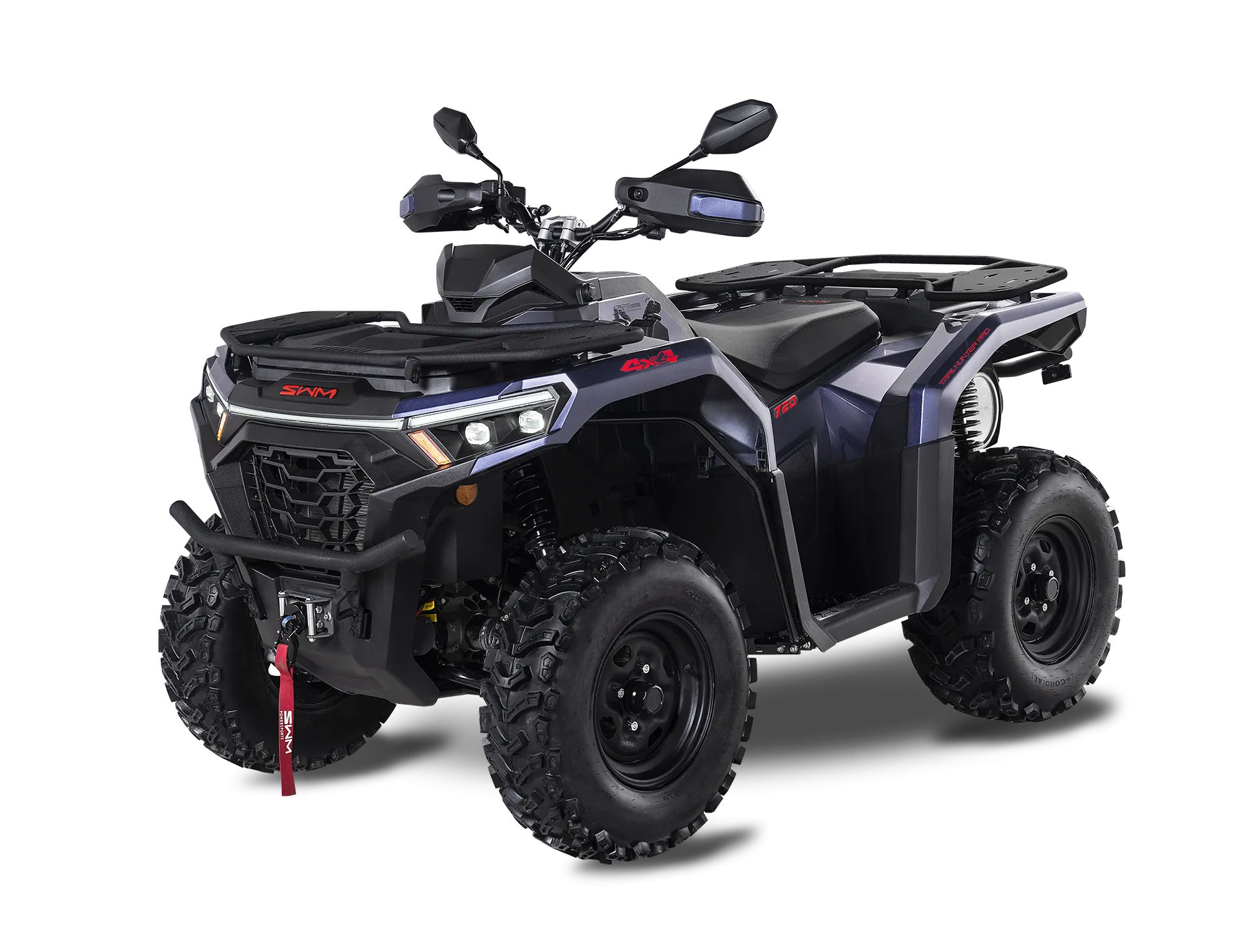
The data also flows back to the manufacturer, and that is reshaping product development. Real-world usage information allows engineers to refine suspension settings, improve reliability, and design features that riders actually use rather than features imagined in a design studio. The result is a faster improvement cycle that benefits every new model, and it is a strategic advantage that smart off road manufacturers are building into their processes.
Industry-Wide Ripple Effects
The shift to smart systems is changing the industry’s economics. Electronics now represent a growing share of vehicle cost, and the supply chain is reorganizing around software and sensor suppliers. Dealerships are investing in diagnostic equipment and technician training, and service is moving from reactive repairs toward predictive maintenance. Each of these changes strengthens the businesses that embrace the trend and pressures those that resist it.
Consumer expectations are shifting too. Riders increasingly expect connectivity and assistance features as standard, the same way they expect power steering and fuel injection. The smart atv category has become the proving ground for these expectations, and the features introduced there are rapidly migrating across the entire vehicle range. What was once a premium differentiator is becoming the baseline, and manufacturers are racing to keep pace.
| Smart Feature | Impact on Riders | Impact on Industry |
| Traction management | Better control in mud and sand | Higher safety expectations |
| Stability assistance | Confidence on slopes | Broader rider demographics |
| Connected diagnostics | Simpler maintenance | Predictive service models |
| Usage analytics | Better fleet planning | Data-driven development |
The Road Ahead
The smart off-road revolution is still in its early stages, but the direction is unmistakable. Machines will become more connected, more assistive, and more data-driven with every generation, and the riders who adopt the technology early will enjoy the benefits while the industry catches up. The manufacturers investing in these systems today are positioning themselves to lead the market for the next decade, and the platform demonstrated by the smart off-road range is a clear statement of where the industry is headed.
For riders, the message is simple: the future of off-road riding is smarter, safer, and more accessible than ever before. The machines being built today are the most capable and most refined in the history of the sport, and the intelligence being added to them is just beginning to show its potential. The industry is being reshaped in front of our eyes, and the smart off-road platform is at the very center of the change.