
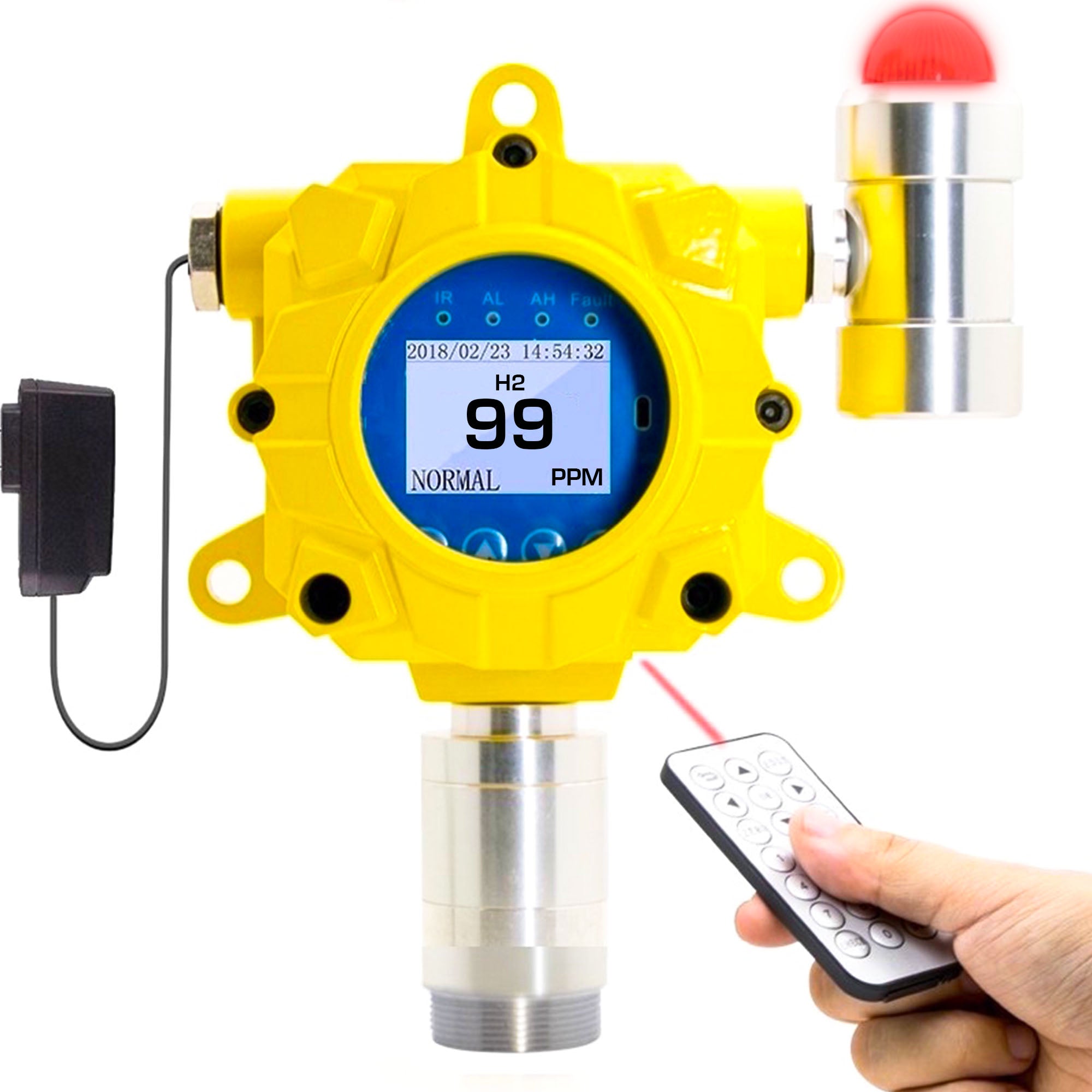
Maintaining a safe working environment requires more than installing reliable gas detection equipment. Businesses operating in industrial facilities, laboratories, manufacturing plants, and confined spaces must ensure that their monitoring instruments continue to deliver accurate readings. Gas forensics co detector manual are designed to identify hazardous concentrations of toxic and combustible gases, but their performance can change over time because of sensor aging, environmental conditions, and regular operation. Without proper maintenance, even advanced detection equipment may provide unreliable measurements.
Professional gas detector calibration services help address these challenges by checking instrument accuracy and identifying potential performance issues. Regular calibration allows businesses to maintain confidence in their monitoring systems while supporting employee protection and operational safety. Working with experienced service providers also helps organizations understand the maintenance requirements of different gas detection technologies.
Understanding How Gas Detector Calibration Works
Gas detector calibration involves comparing an instrument's readings with known reference gas concentrations. If the detector displays measurements outside the acceptable limits, technicians may adjust its settings according to the manufacturer's specifications.
Professional calibration laboratories use suitable reference gases, specialized equipment, and established procedures to evaluate detector performance. The process may vary depending on the instrument type, sensor technology, and gases being monitored.
Common gases detected by industrial monitoring equipment include:
-
Carbon monoxide (CO)
-
Hydrogen sulfide (H2S)
-
Methane (CH4)
-
Oxygen (O2)
-
Ammonia (NH3)
-
Volatile organic compounds (VOCs)
Each gas requires appropriate detection technology and calibration procedures. Selecting the correct reference gas is essential for obtaining meaningful test results.
Why Accurate Gas Detection Matters in Industrial Environments
Industrial workplaces often involve processes that can release hazardous gases into the surrounding atmosphere. Workers may encounter these substances during equipment maintenance, production activities, chemical handling, and confined-space operations.
An improperly maintained gas detector may fail to provide dependable warnings when gas concentrations change. This can increase workplace risks and make it difficult for safety teams to respond appropriately.
Regular calibration supports:
Reliable Measurement Results
Calibration helps verify that gas detectors measure concentrations within their specified accuracy limits. This is important when businesses depend on monitoring equipment for routine safety inspections and operational decisions.
Improved Hazard Identification
Accurate instruments help safety personnel identify potentially dangerous atmospheric conditions. Reliable readings can support timely responses when gas concentrations approach established alarm thresholds.
Better Equipment Management
Routine calibration can reveal sensor deterioration, measurement inconsistencies, and other problems. Businesses can address these issues through maintenance or component replacement before returning equipment to service.
Different Gas Detection Technologies Require Specialized Attention
Not all gas detectors operate in the same way. Understanding sensor technology is important when selecting appropriate calibration services.
Electrochemical sensors: Commonly used for detecting toxic gases and oxygen levels. They require suitable reference gases and procedures to verify their response.
Infrared sensors: Often used for detecting combustible gases and certain other compounds. Their calibration requirements depend on the target gas and instrument design.
Catalytic bead sensors: Frequently used to monitor combustible gases. Proper testing helps evaluate their response to gas concentrations.
Photoionization detectors (PIDs): Used for measuring certain volatile organic compounds. Their calibration depends on the instrument and specified calibration gas.
A professional calibration provider should understand these differences and follow the relevant manufacturer instructions.
Calibration and Bump Testing: Two Important Maintenance Procedures
Calibration and bump testing are closely related but have different purposes. A bump test briefly exposes the detector to test gas to confirm that the sensor responds and alarms operate. It does not necessarily establish measurement accuracy.
Calibration goes further by comparing instrument readings with known concentrations and making adjustments when required.
Businesses should establish maintenance schedules based on manufacturer recommendations, workplace risk assessments, and applicable regulations. Keeping records of testing and calibration activities also helps maintain an organized safety program.
Finding Professional Gas Detection Support at Forensics Detectors
Choosing the right equipment and maintenance provider can simplify gas detector management. Forensics Detectors offers gas detection products and related calibration services for different monitoring applications.
Customers can explore available solutions for portable detectors, fixed gas monitoring systems, and specialized instruments. Before arranging calibration, businesses should confirm instrument compatibility, available services, turnaround times, and documentation requirements.
Working with knowledgeable professionals can help organizations understand their equipment needs and develop appropriate maintenance procedures.
Build a More Reliable Workplace Safety Program
Professional gas detector calibration is an important investment in measurement accuracy and workplace protection. Regular testing helps identify performance problems, maintain dependable monitoring, and support responsible equipment management.
By combining suitable gas detection instruments, professional calibration, routine inspections, and employee training, businesses can create a stronger safety strategy. Reliable monitoring equipment helps organizations recognize potential gas hazards and maintain safer working conditions across different industrial environments.